
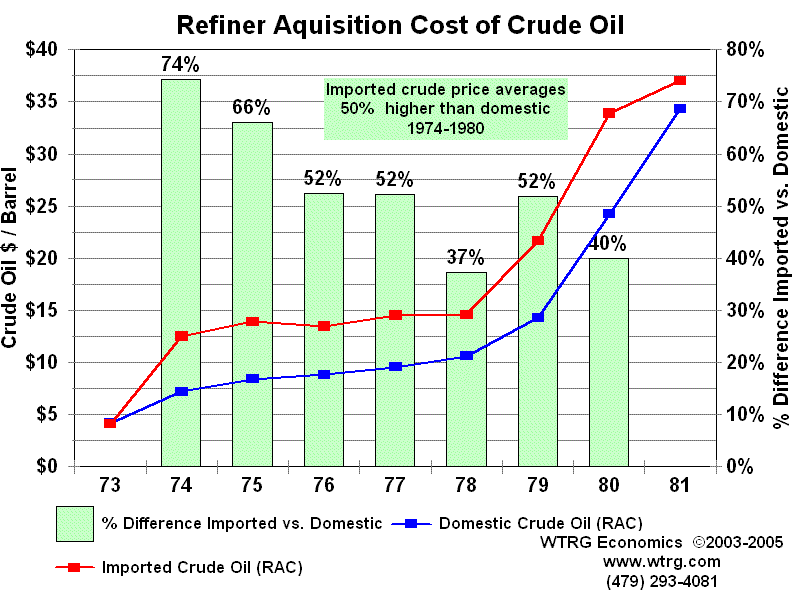
The rapid increase in crude prices from 1973 to 1981 would have been much less were it not for United States energy policy during the post Embargo period. The US imposed price controls on domestically produced oil in an attempt to lessen the impact of the 1973-74 price increase. The obvious result of the price controls was that U.S. consumers of crude oil paid about 50 percent more for imports than domestic production and U.S producers received less than world market price. In effect, the domestic petroleum industry was subsidizing the U.s. consumer.
Did the policy achieve its goal? In the short term, the recession induced by the 1973-1974 crude oil price rise was less because U.S. consumers faced lower prices than the rest of the world. However, it had other effects as well.


